 Heat Treatment 101: Metal Properties and Durability
  How Real Estate Development Companies Fund Mega Projects
  Why Hiring A Cleaning Service Is The Ultimate Act Of Self Care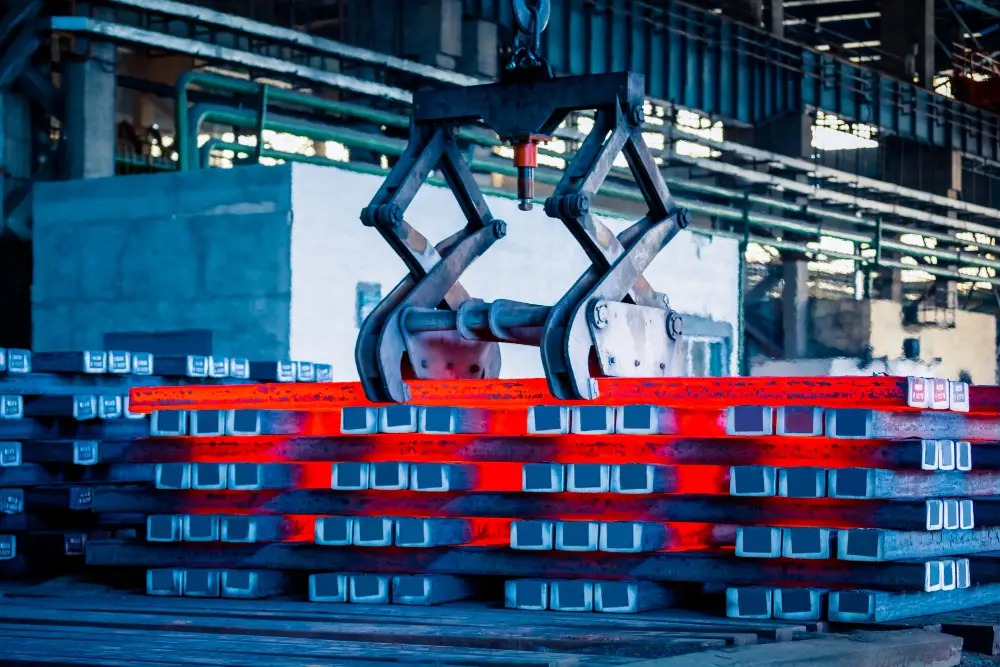
Heating metal changes its internal structure completely. Applying precise heat cycles alters how atoms arrange themselves, locking in hardness or flexibility. Such control dictates how materials perform under pressure or stress in harsh conditions. Metals stay soft, brittle, or strong based on these thermal actions.
Every industry relies on these specific heating cycles to build items that last forever. Precision heating creates the base for high-quality metal manufacturing Dubai.
Annealing for softness:
Annealing involves heating material to a set point, holding it there, and cooling it slowly. This method softens metal, making it easier to shape or bend. Internal stress releases during this cooling phase. Manufacturers use this to prepare raw parts for cutting or drilling without breaking tools.
Quenching for hardness:
Quenching plunges hot metal into oil, water, or air. This rapid cooling traps atoms in a rigid state. The result is extremely hard material. While hardness increases, brittleness also rises. This technique provides wear resistance for gears and blades that face constant friction.
Tempering for balance:
Tempering acts as a partner to quenching. It reheats quenched parts to a lower point. This process removes extreme brittleness while keeping essential hardness. Metals gain toughness this way, stopping them from cracking under impact. It provides the perfect middle ground for functional parts.
Normalizing for uniformity:
Normalizing heats metal above its critical point before cooling in still air. This produces a uniform grain structure throughout the entire piece. It clears away inconsistencies from casting or forging. Parts become predictable, reliable, and strong. Consistency stays high across every single batch.
Case hardening for surface strength:
Case hardening adds a tough skin to a softer core. Carbon or nitrogen enters the surface layer during heating. The exterior becomes extremely resistant to scratches and wear. Meanwhile, the center stays ductile and able to absorb shocks. This duality works perfectly for shafts and fasteners.
Precipitation hardening for strength:
Precipitation hardening uses aging to build tiny particles inside the metal. These particles block movement within the internal structure. It creates high-strength alloys used in aerospace and medical tools. The material maintains its shape even when faced with extreme loads. Strength levels soar without adding extra weight.
Heat treatment acts as a vital bridge between raw material and finished product. Applying heat correctly creates durable items that stand the test of time. Every specific cycle delivers unique results tailored to specific needs. Choosing the right thermal path determines how well an object functions.