 Why Hiring A Cleaning Service Is The Ultimate Act Of Self Care
  The Importance Of Compaction In Roadbase Installation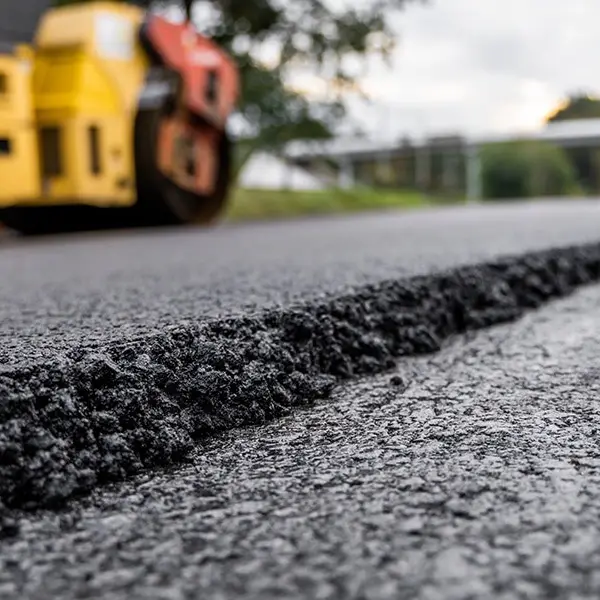
Compaction is an essential process in roadbase installation that ensures the stability and durability of the road. Compaction is the method of using heavy machinery to compress and reduce air voids in soil, creating a more solid and stable surface. This process helps to increase the load-bearing capacity of the roadbase, making it capable of withstanding heavy traffic and other external forces.
Density prevents future sinking:
Loose soil contains air gaps. Weight pushing down forces these particles together. Compaction removes voids, creating a dense, interlocking structure. A tightly packed layer holds heavy weight without shifting, keeping the surface flat.
Drainage works better with packed soil:
Water causes major damage. Loose dirt acts like a sponge, soaking up rain and expanding. When water sits inside, it weakens the ground. Compacted material lets water run off the surface instead of sinking deep. This protects the integrity of the ground.
Strength supports heavy loads:
Cars and trucks apply downward pressure constantly. If the ground lacks density, it bends. Firmly pressed material resists this bending force. It distributes weight across a larger area, preventing localized strain that leads to potholes.
Smooth surfaces last longer:
Riding on a bumpy road frustrates every driver. Uneven ground causes vibration, which wears out tires and parts quickly. Uniformly compressed materials provide a level finish. A flat surface stays quiet and safe during daily use.
Cost savings grow over time:
Fixing a sinking road costs plenty of money. Digging up damaged areas and starting again wastes resources. Proper compression at the start saves funds. Well-built ground avoids frequent repairs, proving that density saves budgets in the long run.
Safety stays the priority:
Accidents happen when roads fail. Deep ruts trap tires, causing loss of control. Solid foundations keep paths predictable. Consistent density keeps everyone safe, as the ground remains steady regardless of heavy traffic or weather changes.
Proper technique during the construction phase matters. Vibration rollers press particles into place, forcing small rocks into spaces between large ones. This mechanical action creates a tight grid. Once finished, the surface feels like solid rock. Check the moisture levels during work to help particles slide together easier. Dry dirt resists movement, but damp material packs perfectly. Consistency remains key across the entire project area.